How Tree Roots Get Into Your Drain Lines
Tree roots get into drain lines through the smallest crack or joint in the pipe, then grow into a mat that catches everything you send down the drain.
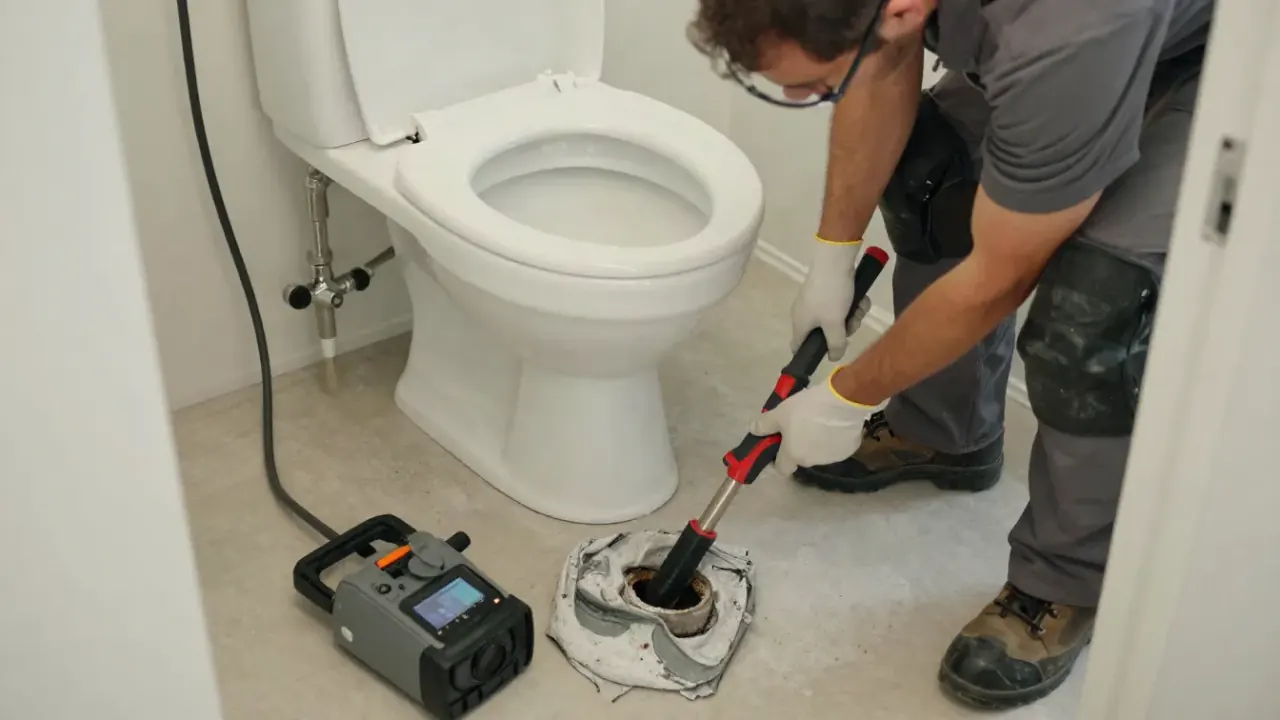
Tree roots get into your drain lines by finding a crack, a loose joint, or a gap at a fitting and growing straight into the pipe through it. Those openings are usually smaller than a dime, and a root tip thinner than a human hair can slip through and then thicken until it fills the line. This post explains exactly how that happens in Lake Forest, what the warning signs look like, and how we clear the roots and keep them from coming back.
We are Lake Forest Drain Cleaning, and we run rooter equipment and cameras through residential sewer laterals across south Orange County every week. Most of the calls we get for slow drains in this city trace back to the same handful of trees.
How Tree Roots Get Into Drain Lines in Lake Forest CA
How tree roots get into drain lines in Lake Forest CA is a question of moisture and chemistry, not luck. Your sewer lateral carries warm water, soap, and organic waste, and it releases water vapor through every imperfect joint. In dry Southern California soil, that vapor is the closest thing to a water source a root has ever found.
Here is the sequence, start to finish:
- A root tip enters through a hairline crack, a separated joint, or a factory fitting that was never perfectly sealed.
- Once inside, the root finds a steady supply of warm water and nutrients and stops hunting for anything else.
- The root branches into hundreds of fine feeder roots that spread along the pipe wall like a mat.
- That mat catches grease, paper, and hair, and the blockage builds from the inside out.
Tree roots in drain lines Lake Forest homeowners deal with almost always start at the pipe joint, not the middle of a straight run. Joints are the weakest point in any lateral, and they are where we find the intrusion on camera nine times out of ten.
One definition worth keeping in your head: root intrusion drain pipes Lake Forest is the process by which a live root system enters a buried pipe through a defect and grows inside the pipe until it restricts flow. It is not a one-time event. If the root stays alive, it keeps growing back.
Why Lake Forest Yards Are Prime Root Territory
Lake Forest yards are prime root territory because the city was largely built out between the late 1960s and the 1990s, which means a lot of the original clay and cast iron laterals are now 30 to 55 years old. Clay tile was the standard material here for decades, and clay tile is installed in three-foot sections joined with mortar. Those mortar joints crack. When they do, the pipe is effectively pre-drilled for roots.
Add the tree stock. Sweetgum, sycamore, ficus, liquidambar, and eucalyptus are everywhere in this city, and all of them are aggressive rooting species. A mature ficus can push roots 30 to 50 feet from the trunk in search of water. If your lateral runs within that radius, you are in the zone.
Soil matters too. Much of Lake Forest sits on heavy clay and decomposed granite, which drains slowly and pushes roots to the surface and into any trench that was backfilled with looser material. A sewer trench is exactly that. Roots follow the path of least resistance, and a backfilled trench is the easiest path in the yard.
We see the same pattern in the older tracts around El Toro drain cleaning, where 1970s clay laterals and mature landscaping meet. The newer communities have their own version of the problem: PVC pipe that is still in good shape, but planted with fast-growing trees only 10 to 15 feet from the house.
Signs of Tree Root Intrusion in Lake Forest
Signs of tree root intrusion in Lake Forest almost never show up as a total blockage on day one. Roots grow slowly, and the pipe gives you warnings for months before it stops flowing. The trick is recognizing them.
Watch for these:
- One fixture backs up while others run fine. A toilet that gurgles when you run the washing machine is a classic early signal.
- Drains that slow down and then recover. Roots act like a comb. Water gets through, then slows, then clears, then slows again.
- Gurgling from the shower or tub when nothing is draining into it.
- Sewage smell in the yard near the cleanout or along the lateral path.
- Unusually green, fast-growing grass in a strip over the sewer line. That patch is being fed.
- Soft or sunken spots in the lawn where the soil has been washed out around a cracked pipe.
If you are seeing two or more of those, the odds are good that roots are already inside the line. A video camera drain inspection Lake Forest CA takes about 30 minutes and tells you exactly where the intrusion is, how far it has spread, and whether the pipe itself is still intact.
Can Tree Roots Break Sewer Pipes in Lake Forest?
Yes. Tree roots break sewer pipes in Lake Forest, and they do it in two ways. The first is direct pressure: a root that enters a hairline crack will thicken year after year, and that expansion widens the crack until the pipe section fails. The second is indirect: a root mat slows flow, waste sits in the line, and the combination of standing sewage and root pressure destroys the joint.
Clay tile is the most vulnerable. A single root can lift a three-foot clay section out of alignment, and once the sections separate you get a belly in the line where solids collect permanently. Cast iron fails differently. Roots enter at the hub joints, and decades of corrosion plus root pressure can rot the pipe wall through.
PVC holds up best, but it is not immune. Roots will enter at a poorly glued fitting, and we have pulled root balls out of PVC laterals that were only 20 years old. The material matters less than the quality of the joints and the age of the installation.
This is why we do not just snake a line and call it done. If a pipe is broken or offset, clearing the roots buys you weeks, not years. We tell you what the camera shows and what your options are before we start cutting.
How We Remove Tree Roots From Drain Lines
Tree root removal from drain lines Lake Forest California is a mechanical job, and the right tool depends on what is in the pipe. We start every root call with a camera so we know the pipe material, the depth of the blockage, and whether the line is still structurally sound.
From there, we usually work in one of three ways:
Drain snaking and cabling
A cutting head on a cable spins through the root mass and slices it away from the pipe wall. This is the standard first pass for a root blockage, and it restores flow fast. We carry cutting heads sized for two-inch through six-inch lines, so we are not forcing the wrong tool into your lateral. You can read more about that process on our drain snaking and cabling Lake Forest CA page.
Hydro jetting
Once the bulk of the root is cut out, high-pressure water at 3,000 to 4,000 PSI scours the pipe wall and flushes the remaining root fragments, grease, and scale out of the line. Jetting does not cut roots the way a cable does, but it leaves the pipe cleaner than any other method. We use it on the second pass for exactly that reason.
Root removal and follow-up
For heavy, recurring intrusion, we run a dedicated root cutter and then treat the line so regrowth is slower. If the camera shows a broken or offset section, we move to drain pipe repair Lake Forest CA rather than clearing the same line twice a year.
Typical 2026 pricing in this area runs $250 to $450 for a standard root clearing on an accessible main line, and $450 to $900 when the job requires jetting, a long cable run, or cleanout work. Camera inspection is usually $150 to $350 on its own and often credited toward the repair.
How to Prevent Tree Roots in Drain Lines in Lake Forest CA
Prevent tree roots in drain lines Lake Forest CA by removing the conditions roots are looking for: moisture escaping the pipe and easy access through a joint. You cannot stop a ficus from rooting. You can make your lateral a much less attractive target.
What actually works:
- Keep trees 10 feet or more from the lateral path. If you are planting, that is the single most effective decision you will make.
- Fix leaks and offset joints. A dry joint is a boring joint. A leaking joint is an invitation.
- Install or repair your cleanout. A proper two-way cleanout gives us direct access to the line, which turns a two-hour dig into a 45-minute clearing. We handle that through sewer cleanout installation Lake Forest CA.
- Schedule an annual camera check if you have known root history or mature trees over the line.
- Skip the DIY chemical root killers. They damage clay and older cast iron, and they do not kill the root outside the pipe.
If you have already had roots cleared once, plan on a maintenance pass every 12 to 18 months. Roots regrow from the same entry point, and a short preventive cable run costs far less than an emergency call at 9 p.m. on a Sunday.
Common Mistakes We See Homeowners Make
The most common mistake we see is treating a root blockage like a one-time clog. A bottle of drain cleaner will punch a hole through the root mat and restore flow for a few weeks, then the root grows back thicker and the next backup is worse. Chemical cleaners also generate heat and can soften older pipe walls.
Other repeat offenders:
- Snaking only from the fixture. A 25-foot hand auger from the toilet reaches the first 25 feet of the line. Most root intrusion on a Lake Forest lateral sits 30 to 60 feet out, past where that tool can reach.
- Ignoring the cleanout. If your cleanout is buried, capped with a broken lid, or nonexistent, you are paying for extra excavation on every visit.
- Planting first, thinking later. We have seen shade trees planted directly over a lateral because the homeowner did not know where the line ran.
- Assuming the pipe is fine because water is moving. A partially blocked line passes water for months before it fails completely.
One more: pouring grease down the kitchen drain on top of an existing root mat. The grease coats the roots, the roots catch everything else, and the blockage goes from partial to total in a single weekend. If your kitchen drain is already slow, start with kitchen sink drain cleaning Lake Forest CA before the problem reaches the main line.
When to Call a Professional
Call a professional when two or more fixtures back up at the same time, when you hear gurgling from a drain you are not using, or when you have had the same line cleared more than once in 18 months. Those three signals mean the problem is in the main line, not the trap under your sink.
We handle root intrusion across the city and the surrounding communities, including the older tracts near Rancho de los Alisos drain cleaning and the newer builds around Baker Ranch drain cleaning. Our technicians arrive with cameras and cutting equipment on the truck, so we diagnose and clear the line in one visit in most cases.
If you want a straight answer about what is in your lateral, we will put a camera in it and show you the footage. No guesswork, no upselling a pipe replacement you do not need.
Frequently Asked Questions
How do tree roots get into drain lines in Lake Forest CA?
Roots enter through cracks, loose joints, or gaps at fittings, usually within 30 to 60 feet of the house. Warm water vapor escaping a joint draws root tips toward the pipe, and a tip thinner than a hair can slip through a gap smaller than a dime and then thicken inside the line.
Can tree roots break sewer pipes in Lake Forest?
Yes. A root that enters a hairline crack expands as it grows and widens the crack until the pipe section fails. Clay tile laterals, common in Lake Forest homes built before 1990, are the most vulnerable because their mortar joints separate over time.
How to stop tree roots from entering drains in Lake Forest California?
Keep trees at least 10 feet from the lateral, repair leaking joints, and install a proper cleanout for easy access. If you have mature trees over the line, schedule a camera check every 12 to 18 months and a preventive cable run every 12 to 18 months.
How much does tree root removal cost in Lake Forest?
Typical 2026 pricing runs $250 to $450 for a standard root clearing on an accessible main line, and $450 to $900 when jetting, a long cable run, or cleanout work is needed. Camera inspection is usually $150 to $350.
Do chemical root killers work on sewer lines?
They punch a hole through the root mass and restore flow for a few weeks, but they do not kill the root outside the pipe. They also generate heat and can damage older clay and cast iron. Mechanical cutting plus a camera check is the reliable fix.
Get Help With Drain Cleaning in Lake Forest
If your drains are slow, gurgling, or backing up, the odds are good that roots are already in the line. We clear them, camera the pipe, and tell you exactly what is going on before we leave.
Call Lake Forest Drain Cleaning at (949) 670-0422 and we will get a technician out to your Lake Forest home.